Why Every Homeowner Ought To Understand the Function of a Landlord Attorney
Homeowner usually deal with a myriad of legal difficulties in managing rental homes. Understanding the function of a landlord attorney is vital for guiding through tenant regulations, lease agreements, and expulsion processes. Their proficiency can guard against prospective disputes and assurance conformity with regional laws. As the rental market ends up being significantly competitive, the requirement for reliable legal advise grows. What details methods can a landlord attorney influence a residential property proprietor's success?
Understanding Tenant Legislations and Rules
Understanding tenant legislations and laws is important for proprietors to navigate the complexities of residential property management efficiently. These legislations differ by state and municipality, influencing whatever from protection deposits to eviction procedures. Landlords should acquaint themselves with reasonable real estate regulations, which prohibit discrimination based on different aspects such as race, disability, and gender. In addition, expertise of lease arrangements, tenant civil liberties, and residential or commercial property maintenance requirements is vital to prevent legal conflicts. Non-compliance can result in expensive litigation and punitive damages. By staying informed about the existing regulations, proprietors can cultivate favorable connections with renters while safeguarding their investments. Involving a knowledgeable property manager attorney can further ensure adherence to lawful requirements, eventually improving the total monitoring of rental residential or commercial properties.
Reviewing and composing Lease Agreements
Preparing and evaluating lease contracts is an important action for property managers aiming to develop clear assumptions and safeguard their lawful rights. A well-structured lease outlines the regards to tenancy, consisting of rent quantity, repayment target dates, and building maintenance duties. It functions as a lawful framework that minimizes conflicts by describing tenant and property manager obligations. Furthermore, a comprehensive lease needs to include stipulations addressing prospective concerns, such as late repayments, subletting, and discontinuation procedures. Involving a landlord attorney in this process assures that the lease abides by regional laws and guidelines, decreasing the risk of lawful difficulties. Ultimately, meticulous lease contracts foster a positive landlord-tenant partnership while protecting homeowner' interests.
Navigating Expulsion Procedures
Maneuvering eviction procedures needs a solid understanding of eviction laws and the particular legal paperwork required for the process. Property owner attorneys play a crucial duty in ensuring that all steps follow local regulations to avoid potential lawful challenges. Correct support can enhance the eviction procedure and protect the proprietor's passions.
Recognizing Eviction Regulations
When a landlord deals with the challenging choice to kick out a tenant, it comes to be crucial to comprehend the certain eviction legislations that regulate the process. These laws can vary significantly by state and municipality, affecting exactly how property owners must proceed. Recognizing the grounds for expulsion, such as non-payment of rent or lease infractions, is necessary for compliance. Furthermore, property owners should be mindful of the required notification durations and documentation required before launching eviction proceedings. Failing to adhere to these lawful terms can lead to hold-ups or even dismissal of the eviction instance. As a result, acquainting oneself with local expulsion laws not just safeguards the landlord's civil liberties however also ensures the procedure is carried out efficiently and lawfully, lessening potential conflicts.
Lawful Paperwork Needs
Understanding the details of eviction laws lays the foundation for reliable legal paperwork needs. Property owners must assure that all documents line up with state and neighborhood regulations to prevent possible hold-ups or dismissals in expulsion procedures. Secret documents include a written lease contract, notice of eviction, and any type of correspondence pertaining to the tenant's lease infractions. Each record ought to clearly outline the terms of the lease, reasons for eviction, and timelines for compliance. Appropriate paperwork not just sustains the landlord's case however also safeguards their civil liberties throughout the procedure. Involving a landlord attorney can give valuable guidance, guaranteeing all lawful papers are diligently prepared and submitted, thereby streamlining the eviction procedure and decreasing the danger of legal issues.
Managing Down Payment and Rental Fee Disputes
Taking care of down payment and lease conflicts is a vital element of a landlord attorney's role (Landlord Attorney). Understanding down payment policies and the significance of legal documents can protect against possible disputes (Steven Adair MacDonald & Partners PC). In addition, effective rent dispute mediation can facilitate resolution and maintain landlord-tenant relationships

Protection Deposit Rules
Proprietors commonly check out security down payments as a safeguard against possible problems or overdue rental fee, they should browse an intricate web of policies controling their usage and return. These regulations vary by territory however generally lay out acceptable methods for gathering, holding, and returning security deposits. For circumstances, many states need proprietors to place deposits in interest-bearing accounts and offer occupants with written notification of the down payment's terms. In addition, landlords are usually bound to return deposits within a specified timeframe after lease termination, minus any type of legal reductions. Failing to follow these laws can cause disagreements, charges, or legal action. Understanding these rules is essential for landlords to protect their passions and keep compliance.
Rent Disagreement Arbitration
When property owners make every effort to adhere to policies, disputes over rental fee and safety deposits can develop even. In such instances, mediation functions as a useful tool for resolving problems amicably. Proprietor attorneys frequently advise mediation as it enables both parties to share their issues and get to a mutually reasonable service without considering litigation. This procedure can be less taxing and more cost-efficient than court proceedings. Moderators, unbiased specialists, facilitate conversations to aid renters and proprietors clarify their positions and rate of interests. Effective mediation can cause changed rental agreements or the timely return of down payment, eventually maintaining the landlord-tenant relationship. Comprehending this procedure equips building owners with vital abilities for taking care of disputes efficiently.
Lawful Documents Relevance
When managing rental buildings, the importance of legal paperwork can not be overstated, particularly worrying down payment and rent out disputes. Properly drafted leases clearly describe the terms of tenancy, including the conditions under which safety and security deposits are gathered, held, and returned. This paperwork acts as a legal protect for property owners, making sure compliance with regional laws and reducing the risk of disputes. In instances of rental fee disagreements, having considerable documents of repayment history and communication can provide critical proof in lawful procedures. Standard types for notices and expulsion can enhance processes, making them more reliable and minimizing potential responsibilities. Inevitably, extensive legal documents not only shields residential property owners but additionally fosters clear connections with tenants.
Ensuring Conformity With Local Ordinances
Conformity with local ordinances is crucial for property managers to maintain an effective rental operation and secure their investments. Neighborhood laws can control various elements of residential or commercial check this property monitoring, including zoning policies, constructing codes, and health criteria. A property owner attorney plays a vital function in making certain adherence to these policies by giving assistance on lawful needs and assisting to stay clear of potential infractions. Failing to abide can result in penalties, lawful disputes, and even the loss of residential property rights. Furthermore, remaining educated about modifications in neighborhood laws is crucial, as guidelines might evolve in time. Engaging an experienced attorney permits landlords to navigate these complexities, guaranteeing their residential or commercial properties meet all required legal standards and cultivating favorable partnerships with regional authorities.
Shielding Against Discrimination Claims
The Benefits of Having Lawful Depiction
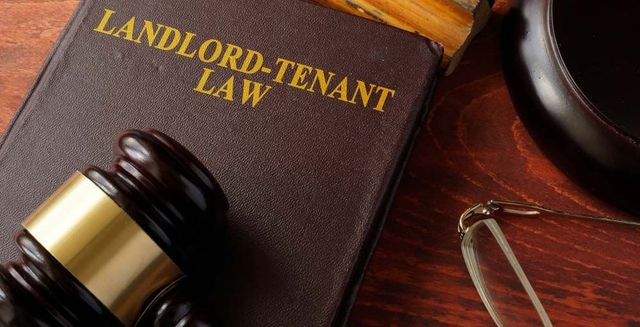
What benefits does lawful representation offer to property owners maneuvering the complexities of residential property administration? Engaging a landlord attorney offers important know-how in steering local laws and laws, therefore lessening legal risks. Lawyers can compose, examine, and impose lease agreements, making certain conformity and safeguarding landlords' interests. They are experienced at managing disputes, from expulsion procedures to tenant grievances, which can be time-consuming and demanding for homeowner. On top of that, lawful representation can help landlords stay clear of expensive mistakes that might occur from lack of knowledge of the legislation. With a knowledgeable attorney, proprietors acquire tranquility of mind, understanding they have a professional advocate that can efficiently take care of legal obstacles and protect their financial investment, ultimately improving the efficiency of their residential property management procedures.
Regularly Asked Questions
Exactly How Much Does Working With a Landlord Attorney Usually Price?
Hiring a landlord attorney normally sets you back between $150 to $400 per hour, depending upon the attorney's experience and area. Landlord Attorney. Flat costs for specific services may additionally be available, offering a much more foreseeable expenditure for homeowner
Can a Landlord Attorney Represent Me in Small Claims Court?
A landlord attorney can represent a homeowner in small insurance claims court, supplying lawful advice and support. Their competence in landlord-tenant regulation can reinforce the instance, ensuring the owner's rate of interests and legal rights are successfully promoted.
What Credentials Should I Seek in a Proprietor Attorney?
When looking for a landlord attorney, one need to take into consideration credentials such as pertinent lawful experience, expertise of landlord-tenant regulations, effective medical history, strong communication abilities, and positive client reviews to assure reliable depiction.
Exactly How Can a Landlord Attorney Assist With Lessee Communication Issues?
A property owner attorney can facilitate effective interaction in between property owners and renters by providing lawful advice, preparing clear communication, and fixing conflicts. San Jose Rental Property Legal Advice. Their experience warranties conformity with regulations, promoting a much more harmonious landlord-tenant relationship while mitigating potential problems
Exist Details Property Manager Attorney Solutions for Commercial Residences?
Yes, numerous property owner attorneys supply specialized solutions for industrial homes, including lease arrangements, conformity with zoning laws, expulsion process, and conflict resolution, ensuring that residential or commercial property proprietors browse complex lawful demands effectively and shield their investments.
Engaging a landlord attorney in this procedure guarantees that the lease abides with regional laws and guidelines, decreasing the threat of legal complications. Bay Area Landlord Rights. Proprietor lawyers play a necessary function in ensuring that all actions conform with local laws to prevent potential lawful risks. Engaging a landlord attorney gives necessary knowledge in steering neighborhood legislations and guidelines, thus reducing legal threats. A property owner attorney can represent a property proprietor in small insurance claims court, offering legal advice and support - Eviction Lawyer For Landlords. A property manager attorney can help with reliable communication between property managers and tenants by supplying legal support, composing clear communication, and settling conflicts
Comments on “Legal Insights for Landlords: When to Call a Landlord Attorney for Expert Advice”